American Forests · Climate Week NYC 2026
We’re heading to Climate Week NYC. Here’s where we’ll be.
From forest data to forest policy to who gets to lead the work, this is where American Forests is showing up this September.
All sessions below are invite-only and built for working conversations. Scroll through to see what we’re convening, who we’re convening it with, and when. Request an invite if a session fits your work.
New Money for Old Trees
Monday, September 21, 2026 | 12:00–2:30 PM
A working session on why private capital struggles to reach U.S. forest restoration. We will name structural gaps and a small group of finance and insurance leaders will help identify what has worked elsewhere.
Wildfire Risk and Resilience: A Special Convening with Insurance Leaders
Monday, September 21, 2026 | 1:30–3:30 PM
The Tahoe Fund and American Forests are convening a focused, invitation-only dialogue among insurance leaders and experts in wildfire, land management, and community resilience during NYC Climate Week.
Forests for Water: Corporate Water Stewardship in the Headwaters
Tuesday, September 22, 2026 | 12:30–2:00 PM
A small, closed-door session where corporate water stewardship leaders compare approaches to forest-based water replenishment and look for places to act together.
From Assessment to Action: Launching the Forest Innovation Platform
Tuesday, September 22, 2026 | 4:00–6:00 PM
A first look at the Forest Innovation Platform, a new resource connecting practitioners, funders, and researchers turning forest data into action.
Creating a Forest Policy Agenda for 2028: Crisis as an Opportunity
Thursday, September 24, 2026 | 11:30–1:30 AM
Climate-smart forestry means different things to different people, and that ambiguity is stalling real policy progress. Conservation, forestry, and policy leaders outline shared priorities for federal forest policy heading into 2028.
With National Audubon Society and New England Forestry Foundation.
Rooted in Sovereignty: Indigenous Leadership Across Forested and Urban Landscapes
Thursday, September 24, 2026 | 4:00–6:00 PM
American Forests works alongside Tribal Nations in both large forested landscapes and urban frontlines to address this. Across western US states, we are partnering with Tribal Nations on reforestation and post-fire recovery.
American Forests · Climate Week NYC 2026
From Assessment to Action: Launching the Forest Innovation Platform
Tuesday, September 22, 2026 · 4:00–6:00 PM · Midtown East. Exact location will be shared with confirmed attendees.
America's forests underpin a $288 billion industry. Almost none of it is managed with modern data.
Every year, wildfires, pests, disease, and a shifting climate outpace the tools land managers have to plan for them. The science exists, but it's scattered across dozens of disconnected sources, locked behind jargon, and impossible to act on at scale.We built the fix.*The Forest Innovation Platform (FIP) is a free, all-lands, coast-to-coast tool that turns the best available forest and climate data into actionable vulnerability assessments.Why it's different: We built FIP with the people who use it. Sustained two-way engagement with practitioners, scientists, and agency staff shaped the platform, not assumptions about what managers need, and what they built serves the whole field.We'll demo FIP in action on two fronts: SFI's Climate-Smart Forestry Objective, and guiding cross-boundary decisions in California's coastal redwood forests. Then we'll open the roadmap for what's next and invite you to shape Phase II.What you'll walk away with:
— A working understanding of what Forest Innovation Platform does and how to use it
— A look at how FIP can shape certification and federal management decisions
— An invitation to join the Forest Innovation Network as we enter Phase II of developmentLive demo + panel + open Q&A. Invite-only, capped at 40.
Request an invite
We'd love to open this one to everyone, but space is limited. Request an invite and we'll keep you posted.
Trouble with the form? Email [email protected].
Speakers

American Forests · Climate Week NYC 2026
Creating a Forest Policy Agenda for 2028: Crisis as an Opportunity
Thursday, September 24, 2026 · 11:30–1:30 PM · Midtown East. Exact location will be shared with confirmed attendees.
America's forests are one of our best natural tools against climate change. They capture 17% of the country's annual CO2 emissions, while also providing clean drinking water and supporting biodiversity. Wildfires, climate change, and forest loss are putting all of that at risk.
To keep forests doing this work, we need climate-smart forestry at scale.That means real policy, not just good intentions. Right now, plenty of states, cities, and large landowners are already putting climate-smart forestry into practice on their own. What's missing is a national policy roadmap that ties it all together.This session starts where that gap lives. We'll open with a panel of practitioners and policy leaders sharing where climate-smart forestry has worked, and where the science, the definitions, or the political will still fall short. From there, we move into a facilitated discussion: surfacing the open policy questions the sector still needs to answer, and what it will take to answer them.What you'll walk away with:
— A shared starting point for what "climate-smart" should mean in forest policy
— A working list of the priority policy questions that need to be resolved before 2028
— A plan to keep this conversation moving after Climate Week
Request an invite
We'd love to open this one to everyone, but space is limited. Request an invite and we'll keep you posted.
Trouble with the form? Email [email protected].
Hosted with

Speakers
American Forests · Climate Week NYC 2026
Forests for Water: Corporate Water Stewardship in the Headwaters
Tuesday, September 24, 2026 · 12:30–2:00 PM · Midtown. Exact location will be shared with confirmed attendees.
As part of Climate Week NYC, American Forests is hosting an intimate, invite-only discussion, convening corporate water stewardship leaders for a candid exchange on current approaches to forest watershed restoration and reforestation for water replenishment.The closed-door, Chatham House Rule format is intended to encourage open dialogue, allowing participants to speak frankly about how they are pursuing water stewardship goals and where barriers persist.Discussion will focus on understanding the range of strategies currently being used to generate volumetric and water quality benefits, including new approaches to estimating these outcomes. Participants will also surface common challenges and lessons learned, offering a clearer picture of where efforts across the sector may overlap or diverge. The conversation will close by identifying opportunities to align and leverage these individual efforts into broader, more collective action on forest-based water stewardship in specific regions of the US.
Request an invite
This is a small, closed-door conversation among corporate water stewardship leads. Capacity is limited. Requests are reviewed individually, and we're prioritizing companies currently running or funding forest-based water replenishment work.
Trouble with the form? Email [email protected].
American Forests · Climate Week NYC 2026
Rooted in Sovereignty: Indigenous Leadership Across Forested and Urban Landscapes
Thursday, September 24, 2026 · 4:00–6:00 PM · Midtown East. Exact location will be shared with confirmed attendees.
Indigenous communities have stewarded North America's forests for millennia, developing the fire regimes, seed knowledge, and land relationships now recognized as among the most effective strategies for building climate resilience. Yet they remain chronically underfunded and excluded from decisions over their own lands.
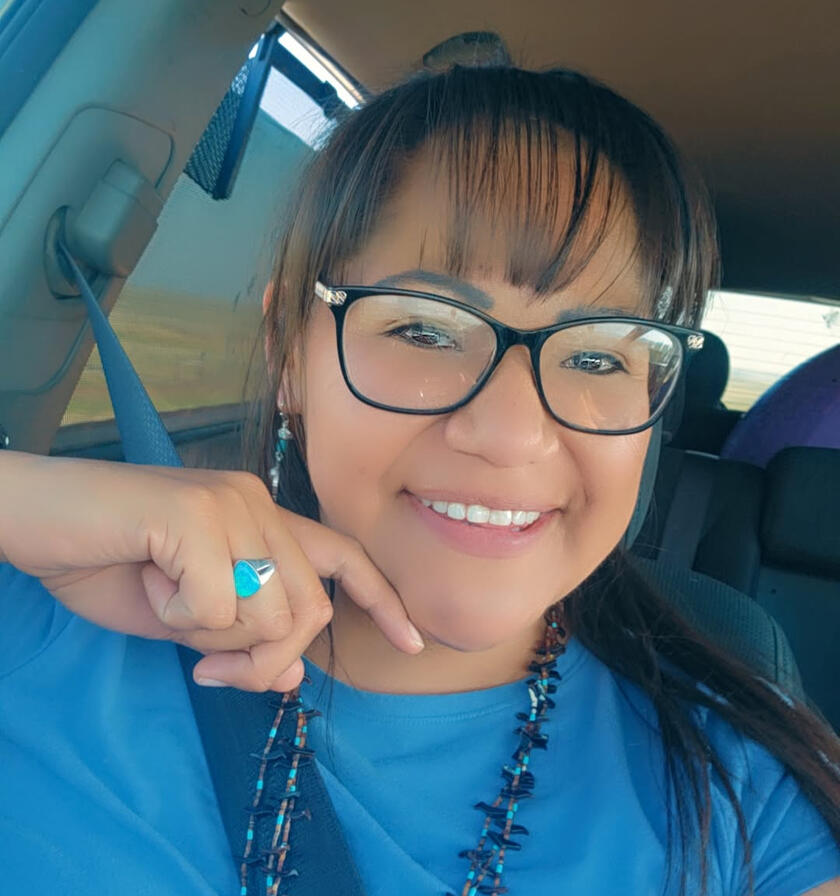
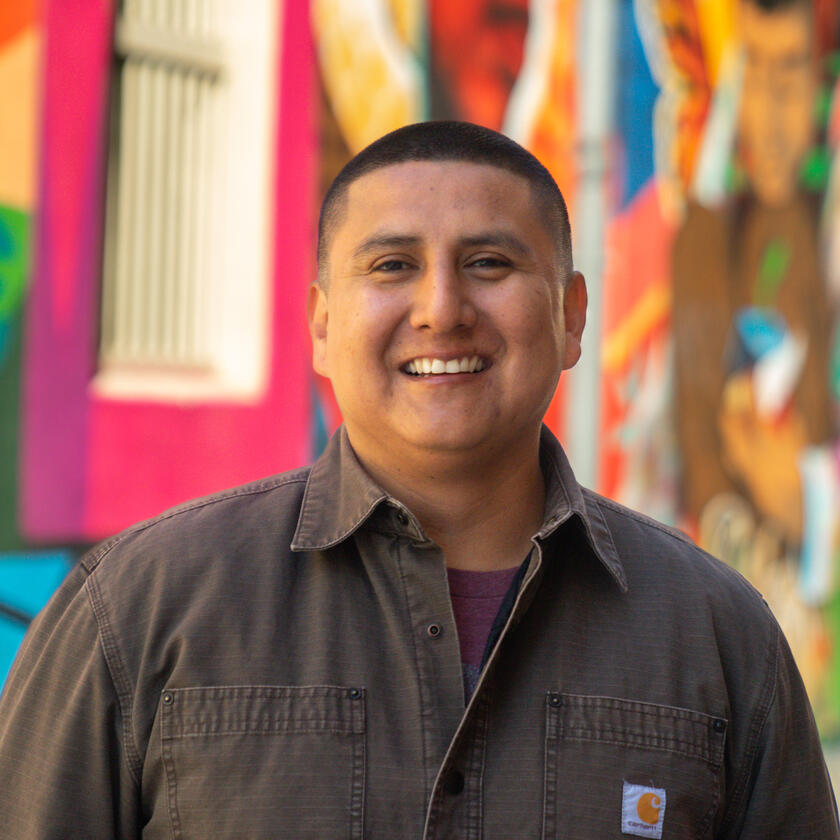
American Forests is changing that. We work alongside Tribal Nations on reforestation and post-fire recovery across western landscapes — from Santa Clara Pueblo's native seed nurseries in New Mexico to biocultural restoration with the Blackfeet Nation in Montana — and deploy catalytic capital to Indigenous-led urban forestry and youth workforce programs in New Jersey and nationwide.Join us for a candid conversation with American Forests’ partners, leaders from Santa Clara Pueblo, the Blackfeet Nation, Native American Advancement Corps, and Trees, Water & People. They are doing the work, and they are part of a larger community of partners that are ready for investment.
Request an invite
We'd love to open this one to everyone, but space is limited. Request an invite and we'll keep you posted.
Trouble with the form? Email [email protected].
Speakers

American Forests · Climate Week NYC 2026
New Money for Old Trees
Monday, September 21, 2026 · 12:00–2:30 PM · Midtown East. Exact location will be shared with confirmed attendees.
A working session on why private capital struggles to reach U.S. forest restoration. Three practitioners will each name one structural gap they cannot solve from inside the sector, and a small group of finance and insurance leaders will help identify what has worked elsewhere.
Private investment in nature grew fivefold in a decade, from $2.8 billion in 2016 to more than $14 billion in 2025, and more than $183 billion is slated for allocation by 2028. Very little of it reaches forest restoration in the United States.The reason is structural. Restoration depends on small specialized businesses: seed collectors, nurseries, planting crews, logging contractors, and mills. Most are seasonal, run on thin margins, and own few hard assets. They are asked to commit years ahead to buyers who can only commit one year at a time. Banks and investors have no standard way to lend to them.A healthy forest depends on a working cycle: seed, nursery, planting, survival, thinning and harvest, markets for the wood, and back to seed collection. That cycle is breaking at several points at once, and the pieces are connected. Thinning a forest produces wood that has to be sold somewhere. When the mill closes, the logging contract stops penciling out, and the same crews and equipment that would have done fire risk reduction and post-fire work disappear with it.What happens in the room
We will open with a short overview of the reforestation cycle and where it breaks. Three practitioners will then present, briefly, one specific place the system is stuck:1. Equipment financing for logging contractors. Contractors borrow at 18 to 25 percent to buy equipment, which raises the cost of every acre treated.
2. Seedling contracts. Buyers expect seedlings on demand, but nurseries cannot start a three-year crop without a long-term agreement. The contracting practice has not changed in forty years.The rest of the session is open discussion. The question we are putting to the room is whether these problems resemble something you have solved before in another sector, and what the solution looked like.
Request an invite
This session is built for people who structure capital: lenders, insurers, investors, actuaries, and philanthropic funders working on blended and catalytic finance. Forestry expertise is not required. The practitioners bring that. We are asking for pattern recognition from other industries.Attendance is limited. Participants will receive a briefing document in advance covering the reforestation cycle, where it breaks, and the three case studies.
Trouble with the form? Email [email protected].
American Forests · Climate Week NYC 2026
Wildfire Risk and Resilience: A Special Convening with Insurance Leaders
Monday, September 21, 2026 · 1:30–3:30 PM · Midtown East. Exact location will be shared with confirmed attendees.
As wildfire losses climb and California's FAIR Plan absorbs a growing share of the state's most exposed homeowners, the Tahoe Fund and American Forests are convening a focused, invitation-only dialogue among insurance leaders and experts in wildfire, land management, and community resilience during NYC Climate Week.
The insurance industry and the wildfire mitigation community have been operating on parallel tracks. Land managers are thinning forests and treating fuels; community-resilience practitioners are hardening homes and creating defensible space. But insurers often can't see or verify that work, let alone price it into their risk models. The result: homeowners and communities that have done real mitigation work are still nonrenewed, and entire regions outside California, from the Pacific Northwest to the Mountain West to the Southeast, risk following the same path into a shrinking private market and a growing reliance on state-backed plans of last resort.This convening is designed to start closing that gap.What we'll discuss
- Measuring mitigation: How do insurers currently evaluate community- and landscape-scale risk reduction, including forest restoration, fuel breaks, prescribed fire, and home hardening, and what data or verification standards would let them price it more accurately?
- A pathway off the FAIR Plan: What would it take for California communities that have invested in credible, sustained mitigation to become insurable again in the standard market?
- Staying insurable, elsewhere: What can communities in other high-risk states do now, and what can insurers commit to now, to prevent the market contraction California has experienced?
- Aligning incentives: How can insurance pricing, public investment, and forest restoration funding reinforce each other, so that mitigation dollars translate directly into coverage and affordability?
- The outcome we're after: Not a communiqué, but a working set of principles and next steps that insurers, communities, and the Tahoe Fund and American Forests can carry forward through the Fire Smart Communities work: shared metrics for what mitigation counts, and a concrete path for turning restored, resilient landscapes into insurable ones.Who's in the room
A small working group of senior leaders from major insurers, community and county resilience officials, and wildfire and forest restoration practitioners, deliberately sized for real dialogue rather than a panel audience.Format
This convening is held under the Chatham House Rule. Participants may use what they hear, but no speaker or affiliation may be identified, inside or outside the room. Any public-facing summary will report themes and findings without attribution.About the Tahoe Fund and American ForestsThe Tahoe Fund helped launch Fire Smart Community Pilots across six Lake Tahoe neighborhoods — bringing together fire districts, HOAs, wildfire researchers, and technology partners to identify and implement wildfire mitigations to prepare communities against wildfire. The flagship effort in Tyrolian Village, a 228-home neighborhood in Incline Village, Nevada, combined fuels treatment, home hardening, and advanced risk modeling, with an explicit goal of using the resulting data to inform insurance pricing — offering a replicable model for fire-ready neighborhoods across the West.For the last decade, American Forests has been working to make forests and communities more wildfire resilient by working across public, private, and Tribal lands throughout Western United States to scale forest restoration and help landscapes adapt to worsening wildfire, drought, and disease. They are partnering with the Tahoe Fund and other public, private, technology, and community partners to bring wildfire expertise, land management, communities, utilities and insurance together to build wildfire resilience from the backdoor to the backwoods in communities throughout the West.
Request an invite
Attendance is limited to senior practitioners in insurance, wildfire and forest management, and community resilience. Requests are reviewed individually. Tell us briefly why this discussion is relevant to your work.
Trouble with the form? Email [email protected].